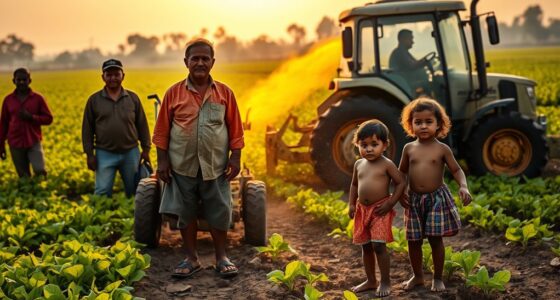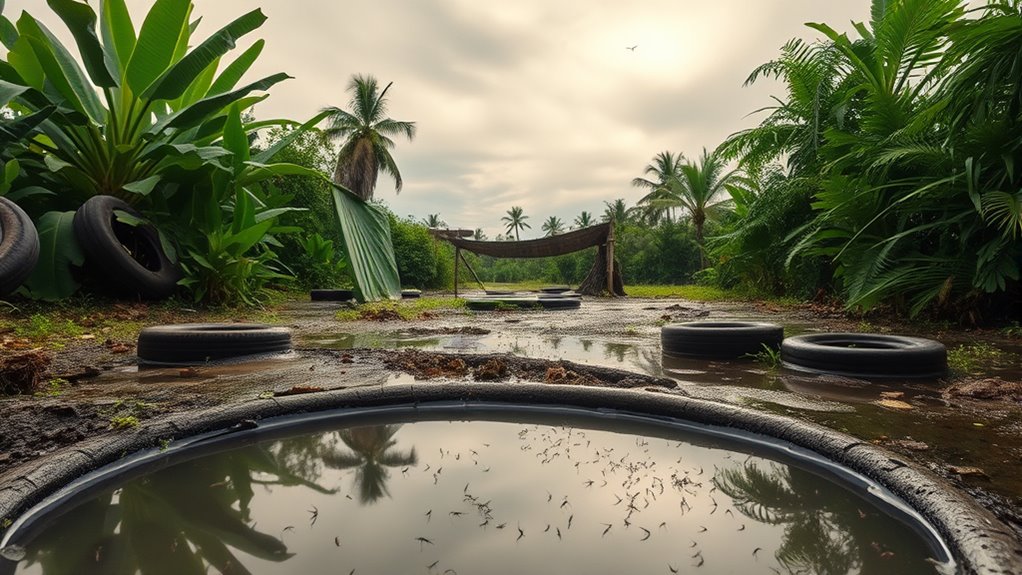

Climate change is expanding the habitats of disease-carrying insects like mosquitoes and ticks by raising temperatures and changing rainfall patterns. Urban heat islands and poor drainage create new breeding grounds, while warmer conditions speed up insect life cycles and increase transmission rates. These shifts mean diseases like dengue and Zika can appear in areas once considered safe. To understand how this ongoing change affects you and what measures can be taken, keep exploring these essential insights.
Key Takeaways
- Rising temperatures expand vector habitats into new regions, increasing disease transmission risks globally.
- Climate-induced habitat changes accelerate vector life cycles, boosting populations and infection rates.
- Urban heat islands and poor drainage create breeding sites, facilitating disease spread in cities.
- Shifting climate patterns lead to vectors like mosquitoes and ticks thriving in higher altitudes and northern areas.
- Vulnerable populations face higher risks due to limited resources and healthcare infrastructure, amplifying disease impacts.

Mosquito Repellent Coils -Mosquito Repellent Outdoor Patio Fresh Scent,Use Reaches Up to 10 feet, Each Mosquito Coils Burns for 5-7 Hours (Contains 20 coils & 2 Stands)
Effective Mosquito Repellent:Natural mosquito repellent coil uses a combination of plant essential oils include citronella oil, lemongrass oil,…
As an affiliate, we earn on qualifying purchases.
As an affiliate, we earn on qualifying purchases.
How Climate Change Alters Habitats and Breeding Grounds

Climate change considerably transforms habitats and breeding grounds for disease-carrying vectors. As temperatures rise and rainfall patterns shift, ecosystems adapt, forcing vectors like mosquitoes to find new breeding sites. Urban adaptation plays a significant role here; cities may inadvertently create ideal environments through poor drainage, standing water, and heat islands. These changes challenge ecological resilience, reducing the ability of natural habitats to recover and maintain balance. You’ll notice that altered landscapes, both urban and rural, can expand the range of vectors, increasing the risk of disease transmission. By understanding how climate impacts habitats, you can better predict where vectors will thrive and identify opportunities to enhance ecological resilience through targeted interventions. This knowledge is vital for managing future health risks.
Murphy's Naturals Mosquito & Tick Bug Repellent Spray, Oil of Lemon Eucalyptus for Skin + Outdoor Gear, 4 Ounce Pump, 2-Pack
WHAT IT IS – Powered by oil of lemon eucalyptus for long-lasting mosquito and tick protection for kids,…
As an affiliate, we earn on qualifying purchases.
As an affiliate, we earn on qualifying purchases.
The Link Between Rising Temperatures and Disease Transmission

As temperatures rise, the dynamics of disease transmission become more complex and urgent to understand. Urban heat intensifies this effect, creating hotter environments that favor disease vectors like mosquitoes and ticks. Higher temperatures accelerate the life cycles of these vectors, increasing their population and biting rates. Warm conditions also shorten the incubation period of pathogens within vectors, making transmission more efficient. Additionally, urban heat islands trap heat, making cities particularly vulnerable to these changes. As a result, you may see outbreaks of diseases like dengue, Zika, and chikungunya in areas previously less affected. Rising temperatures directly influence how quickly and widely diseases spread, highlighting the need for targeted strategies to mitigate these risks in urban settings. Moreover, vector behavior is significantly affected by climate change, leading to shifts in their habitats and activity patterns that further facilitate disease spread. These environmental changes also impact the habitat distribution of vectors, enabling them to survive in new regions and expand their geographical range. Changes in vector breeding sites due to altered weather patterns can also contribute to increased vector populations and disease transmission.
INRAGEO Flying Insect Trap & 5 Cartridges – Attracts and Traps Flying Insects Fruit Flies Mosquitoes – Compatible with M364A Refill (1 Plug-in Base + 5 Cartridges)
24-Hour Protection: Works day and night to help protect your family from pesky flying insects.
As an affiliate, we earn on qualifying purchases.
As an affiliate, we earn on qualifying purchases.
Shifting Patterns of Vector Distribution Worldwide
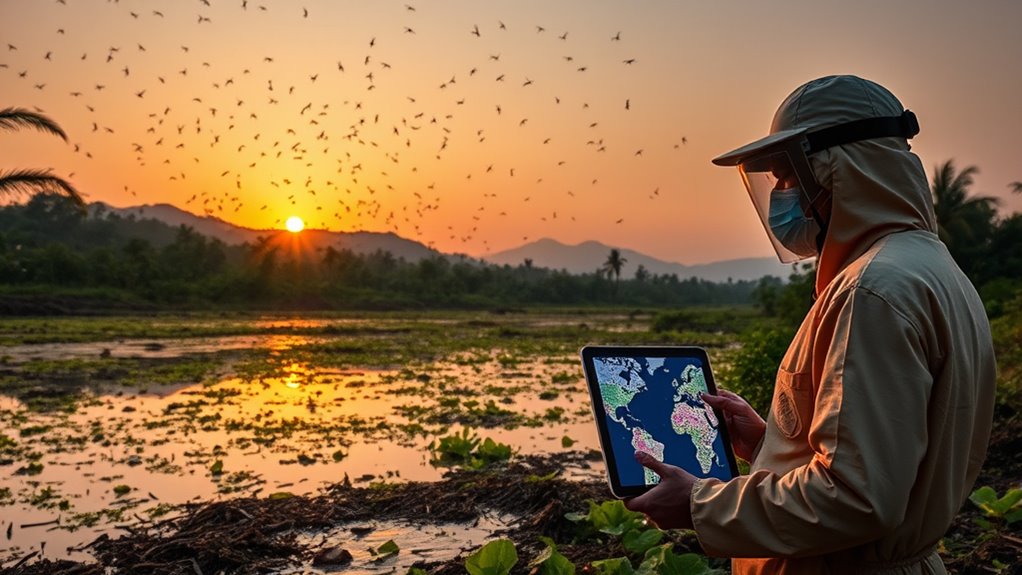
Rising temperatures and urban heat islands have caused disease-carrying vectors like mosquitoes and ticks to expand their ranges into new regions. This shift challenges existing public health measures and highlights the importance of understanding vector behavior. As vectors move into cooler or previously unsuitable areas, they face urbanization challenges such as limited breeding sites or human-made barriers. However, many vectors undergo genetic adaptation, allowing them to survive in diverse climates. You might notice:
- Increased presence of mosquitoes in northern regions
- Ticks thriving in higher altitudes
- Urban areas providing new habitats despite challenges
- Rapid genetic adaptation enabling persistence in changing environments
Additionally, understanding the personality traits of these vectors can provide insights into their adaptability and resilience.

Bonide Mosquito Beater Water Soluble Pouches, Pack of 24 Pouches Control Mosquito Larvae in Standing Water, Won't Harm Fish
MOSQUITO LARVAE KILLER – Mosquito Beater is a highly selective microbial larvicide, effective against mosquito larvae in standing…
As an affiliate, we earn on qualifying purchases.
As an affiliate, we earn on qualifying purchases.
Impact on Vulnerable Populations and Healthcare Systems

How do vulnerable populations bear the brunt of expanding vector-borne diseases? You’ll find that socioeconomic disparities play a significant role, making these groups more susceptible due to limited resources, poor housing, and lack of access to preventative measures. Weaker healthcare infrastructure in underserved areas hampers timely diagnosis and treatment, worsening health outcomes. These populations often lack adequate education about disease prevention, increasing infection risks. As climate change expands vector habitats, vulnerable communities face higher exposure and fewer defenses. Additionally, limited access to preventive tools such as insecticide-treated nets and vaccines further exacerbates their vulnerability. Eye patch benefits, such as hydration and nourishment, are unrelated but illustrate the importance of targeted, effective interventions. Sound recording techniques and equipment can be crucial in documenting these environmental changes and guiding intervention strategies. Healthcare systems strain under the rising demand, especially where infrastructure is fragile or overstretched. You must recognize that addressing these disparities is essential; without targeted interventions, the health gap will widen, leaving vulnerable groups at greater risk of severe illness and death from vector-borne diseases.
Strategies for Mitigating the Spread of Vector-Borne Diseases
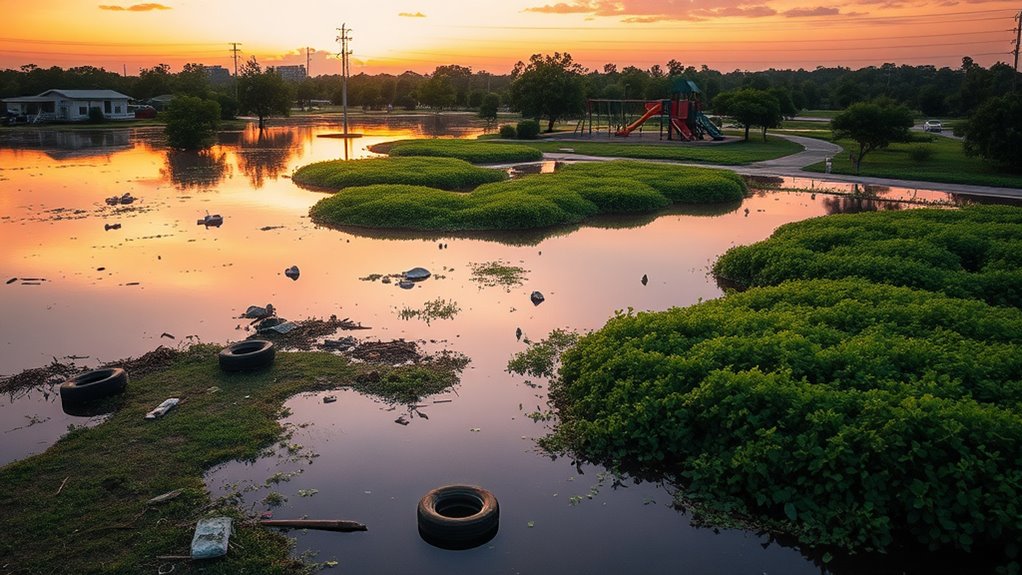
Implementing effective strategies to curb the spread of vector-borne diseases requires a multifaceted approach that combines environmental management, community engagement, and healthcare interventions. You can help reduce risks by supporting initiatives like eliminating standing water to limit mosquito breeding, encouraging local awareness campaigns, and promoting clean surroundings. Additionally, vector control strategies are essential for reducing disease transmission rates; these include habitat modification and targeted insecticide application. Community participation is essential; when residents participate actively, disease control becomes more effective. Additionally, vaccine development offers long-term protection, making immunization campaigns indispensable. Consider advocating for or participating in vaccination programs to protect vulnerable populations. Other strategies include insecticide use, personal protective measures like bed nets, and improved disease surveillance. By working together and emphasizing these approaches, you can markedly slow the expansion of vector-borne diseases influenced by climate change. Furthermore, leveraging AI-driven diagnostics can enhance early detection and response efforts, significantly improving disease control outcomes.
Frequently Asked Questions
How Do Changes in Rainfall Patterns Influence Vector Populations?
Rainfall variability directly impacts vector populations by creating more breeding sites. When rainfall increases, stagnant water accumulates, leading to breeding site proliferation. Conversely, less rain can reduce breeding opportunities but may also concentrate vectors around remaining water sources. You’ll notice these changes in vector numbers, as rainfall fluctuations cause shifts in where and how often they breed. This dynamic influences the overall population and potential disease transmission, making rainfall patterns vital to monitor.
What Role Do Urban Environments Play in Disease Spread?
You might find it surprising that urban environments can increase disease spread by up to 50%. Urban heat islands raise local temperatures, creating ideal conditions for disease vectors. Poor infrastructure resilience hampers sanitation and water management, facilitating pathogen transmission. These factors combined mean cities often become hotspots for disease outbreaks, emphasizing the need for improved urban planning and infrastructure to reduce health risks and control disease spread effectively.
How Do Socioeconomic Factors Affect Vulnerability to Vector-Borne Diseases?
You should recognize that socioeconomic disparities greatly influence your vulnerability to vector-borne diseases. Limited healthcare access means you might not get timely diagnosis or treatment, increasing your risk. Poor living conditions, often linked to low socioeconomic status, create breeding grounds for vectors. These factors combine, making you more susceptible to disease spread. Addressing inequalities can help you better protect yourself and your community from these health threats.
Can Climate Change Reverse the Expansion of Vector Habitats?
Imagine trying to mend a torn fabric; reversing habitat expansion is equally complex. Climate change can sometimes shrink habitats, but it often brings unpredictable shifts. Climate mitigation efforts and habitat restoration can help control disease spread, yet they rarely erase the problem entirely. You need proactive strategies, not just hope, to manage these changes. So, while some reversal is possible, it’s often a delicate, gradual process that requires ongoing commitment.
What Are the Long-Term Ecological Impacts of Shifting Vector Distributions?
You might wonder about the long-term ecological impacts of shifting vector distributions. As vectors move into new areas, urbanization effects can intensify, leading to habitat disruption. This often results in biodiversity loss, as native species struggle to adapt or are outcompeted. These changes can destabilize ecosystems, reduce resilience, and alter food webs, ultimately affecting both human health and environmental stability over time.
Conclusion
As you face the relentless march of climate change, remember that the spread of vector-borne diseases could reshape our world into a place where health crises are as common as the air we breathe. By taking action now—reducing emissions and supporting resilient healthcare—you can be a crucial force against this looming threat. Together, you have the power to stop these diseases from turning our planet into a battleground of despair and devastation.