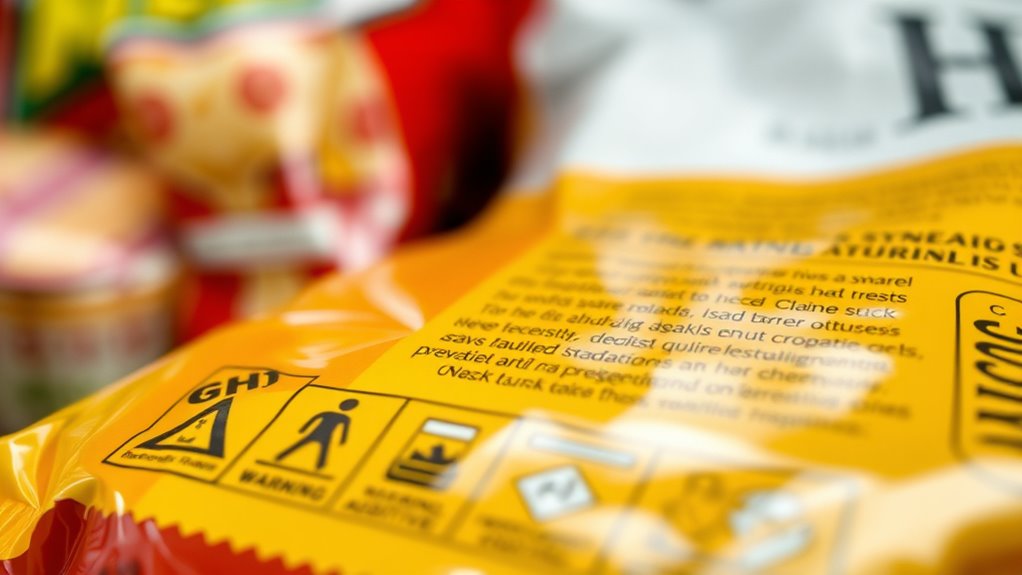

Your exposure to food packaging chemicals can pose health risks as these substances may migrate into your food, especially under heat or long storage. Agencies like the FDA and EFSA regulate materials to minimize this risk, but some chemicals still leach into food over time. Being aware of how packaging affects your safety helps you make better choices, such as avoiding heated plastics. If you want to understand how these chemicals impact your health and safety measures, keep exploring further.
Listen free for 30 days with Audible
Thousands of audiobooks and originals — cancel anytime.
As an affiliate, we earn on qualifying purchases.
Key Takeaways
- Chemicals from packaging can migrate into food, especially under heat or long storage, potentially impacting health.
- Regulatory agencies set safety limits to control chemical migration and protect consumer health.
- The safety of packaging chemicals depends on their levels, storage conditions, and regulatory compliance.
- Consumers can reduce exposure by choosing alternatives like glass or stainless steel containers.
- Ongoing scientific research updates safety standards and informs safer packaging practices.
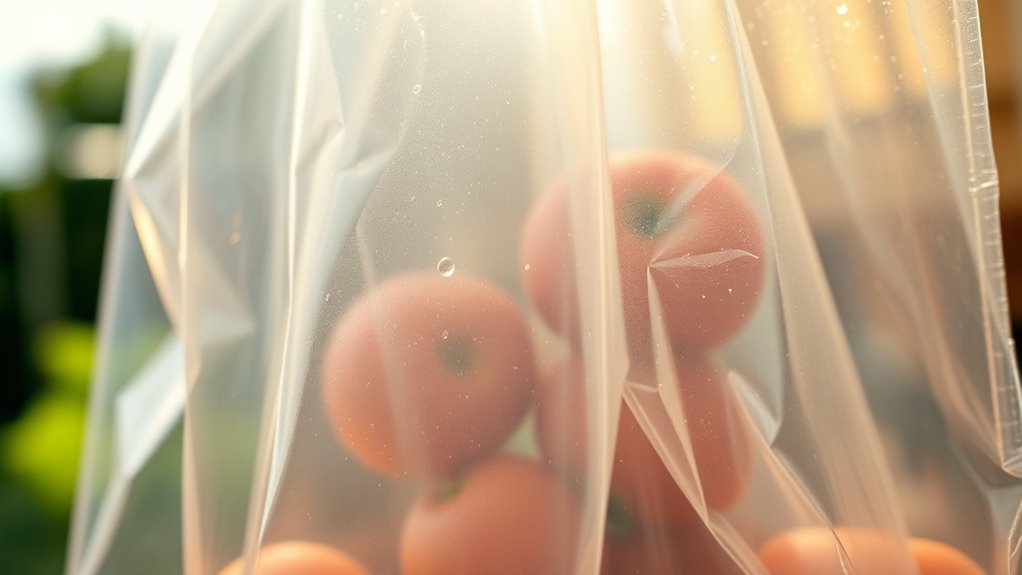
Have you ever wondered what chemicals might be lurking in your food packaging? It’s a valid concern, especially given the widespread use of plastics, inks, and coatings designed to keep your food fresh and appealing. When you think about it, these packaging materials often contain substances that can migrate into your food, a process known as chemical migration. This migration occurs when chemicals from the packaging transfer into the food, especially under certain conditions like heat or prolonged storage. While many of these chemicals are considered safe within specific limits, the potential health implications have raised questions among consumers and experts alike.
Regulations and safety standards play a essential role in governing the use of chemicals in food packaging. Regulatory agencies, such as the Food and Drug Administration (FDA) in the United States and the European Food Safety Authority (EFSA), set strict guidelines aimed at minimizing health risks. These agencies evaluate scientific data to determine which chemicals are safe for contact with food and establish limits for their migration. They also require manufacturers to conduct rigorous testing and maintain detailed records to guarantee compliance. Despite these measures, some chemicals still manage to migrate into food at levels that could be concerning, especially with repeated exposure over time.
Understanding the regulations helps you grasp that not all chemicals in packaging are inherently dangerous. Many are used because they provide essential functions, like preventing spoilage or improving durability. Still, the safety of these substances hinges on their levels and the conditions under which your food is stored. For example, certain plastics might contain additives that are safe at room temperature but could leach more when heated in the microwave. Regulations aim to set safe thresholds to balance functionality with health safety, but the science is constantly evolving as new research sheds light on long-term effects. Additionally, ongoing research into material safety continues to inform and update these standards to better protect consumers.
It’s also important for you to stay informed about potential risks. While regulatory bodies do their part, being aware of how packaging might impact your health encourages more cautious consumption habits. Opting for fresh, minimally packaged foods or choosing alternatives like glass or stainless steel containers can reduce your exposure. Ultimately, trust in the regulatory framework helps, but personal vigilance is equally essential. Knowing that chemical migration is a real concern and understanding the safety measures in place allows you to make better choices, guaranteeing that your food remains safe without unnecessary chemical exposure.
As an affiliate, we earn on qualifying purchases.
Frequently Asked Questions
Are There Natural Alternatives to Harmful Food Packaging Chemicals?
Yes, you can opt for natural alternatives like biodegradable plastics and plant-based coatings. These options break down more easily and reduce chemical exposure, making your packaging safer for health and the environment. By choosing products with biodegradable plastics, you help decrease plastic waste. Plant-based coatings, such as those derived from cornstarch or cellulose, provide a sustainable, non-toxic barrier that replaces harmful chemicals, helping you make healthier, eco-friendly choices.
How Do Regulations Differ Internationally Regarding Food Packaging Chemicals?
You’ll find that regulations on food packaging chemicals vary widely across countries due to differences in safety standards and enforcement. Regulatory harmonization aims to align international standards, making it easier for companies to comply globally. While some nations have strict limits and testing requirements, others are more lenient. Staying informed about these differences helps you understand potential risks and guarantees your packaging choices meet the appropriate international safety standards.
Can Packaging Chemicals Affect Nutrient Stability in Food?
Packaging chemicals can indeed affect nutrient stability in food through chemical leaching, where harmful substances migrate into your food. This process may lead to nutrient degradation, reducing essential vitamins and minerals. To protect your health, it’s important to choose packaging that minimizes chemical leaching and preserves nutrient content. Always check labels for safe packaging materials, and avoid containers that may release chemicals into your food over time.
What Are the Long-Term Health Risks of Exposure to These Chemicals?
Think of exposure to these chemicals as slowly chipping away at your well-being. Long-term risks include chronic toxicity, which can harm your organs over time, and endocrine disruption, messing with your hormones and potentially causing reproductive issues or developmental problems. If you’re exposed regularly, these risks can build up unnoticed, making it essential to minimize contact and stay informed about the substances in your environment.
How Can Consumers Identify Products With Safe Packaging?
You can identify products with safe packaging by checking for label transparency and clear chemical labeling. Look for labels that specify the materials used and avoid those with vague or complex descriptions. Research brands known for transparent labeling practices and prioritize products that disclose chemical contents. By staying informed and scrutinizing packaging labels, you can make safer choices and reduce your exposure to potentially harmful chemicals.
As an affiliate, we earn on qualifying purchases.
Conclusion
While it’s natural to trust the packaging your food comes in, don’t overlook potential chemical exposures. You might think they’re harmless or too minor to worry about, but over time, these chemicals can affect your health. Staying informed and choosing products with safer packaging can make a difference. Remember, small changes now can protect your well-being in the long run—so, take a moment to read labels and prioritize your health.
microwave-safe plastic containers
As an affiliate, we earn on qualifying purchases.
As an affiliate, we earn on qualifying purchases.
As an affiliate, we earn on qualifying purchases.
Flea & tick season Picks
flea and tick prevention
As an affiliate, we earn on qualifying purchases.