To enjoy fish safely, it’s important to be aware that heavy metals like mercury, lead, and cadmium can build up in seafood, especially in larger, predatory species. Choosing smaller, younger fish such as sardines or anchovies is a smarter option since they tend to have lower toxin levels. Proper cooking techniques, like grilling or steaming, can also help reduce some contaminants. Stick to guidelines and stay informed—there’s more to learn about protecting yourself while still enjoying fish.

Get health and wellness essentials delivered free — and shop member deals
- Fast, free delivery on millions of items
- Access to Prime Big Deal Days deals on October 6–7
- Prime Video, Amazon Music and more included
Key Takeaways
- Larger, predatory fish tend to accumulate higher levels of heavy metals like mercury and should be consumed in moderation.
- Selecting smaller, younger fish such as sardines or anchovies generally reduces exposure to heavy metal toxins.
- Proper cooking methods like grilling, baking, or steaming can help lower heavy metal content in seafood.
- Removing skin, bones, and fatty tissues decreases ingestion of concentrated heavy metals.
- Staying informed through local advisories and choosing certified, sustainable fish sources promotes safer seafood consumption.
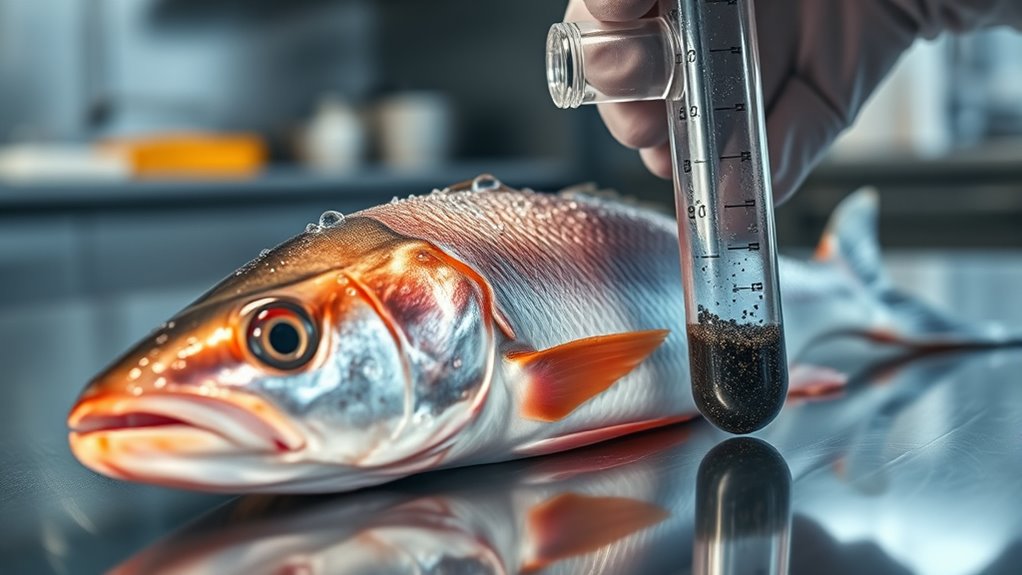
Fish are a pivotal part of many diets worldwide, providing essential nutrients and high-quality protein. However, concerns about heavy metals in fish have grown, prompting you to consider not just what you eat but how you prepare and select your seafood. Heavy metals like mercury, lead, and cadmium can accumulate in fish, especially larger, predatory species, which can pose health risks over time. Understanding the environmental impacts of fish populations helps you make more informed choices, as pollution and industrial runoff contribute to heavy metal contamination in aquatic ecosystems. When fish are caught from polluted waters, they tend to have higher levels of these toxins, making it imperative to stay aware of advisories and sustainable sources. Opting for fish from cleaner waters or certified fisheries can notably reduce your exposure and support healthier ocean environments.
Cooking techniques also play a key role in managing heavy metal intake. Certain methods, such as grilling, baking, or steaming, can help reduce some contaminants by allowing fats and impurities to drip away or break down during preparation. Avoiding overcooking or frying fish at high temperatures is recommended, as some methods might increase the bioavailability of heavy metals or introduce additional harmful substances. Proper cooking ensures you maximize the nutritional benefits while minimizing potential risks. Furthermore, removing skin and visible fat before cooking can further decrease the ingestion of accumulated toxins, since heavy metals tend to concentrate in fatty tissues. Incorporating a variety of fish species into your diet not only diversifies your nutrient intake but also diminishes the likelihood of exposure to high levels of heavy metals from a single source. Additionally, understanding heavy metal accumulation can help you choose safer options and reduce health risks associated with contaminated seafood.
It’s also essential to stay informed about local advisories and guidelines on fish consumption, especially if you’re in an area with known pollution issues. Balancing your intake by choosing smaller, younger fish like sardines or anchovies can be safer, as they generally have lower levels of heavy metals compared to larger, older fish such as swordfish or king mackerel. When preparing fish, using techniques that reduce contamination—like removing skin, bones, and fatty tissues—can make your meals safer. Ultimately, understanding the environmental impacts that influence heavy metal levels and adopting mindful cooking techniques empowers you to enjoy fish healthily and responsibly. By staying aware and making smart choices, you can continue to reap the nutritional benefits of fish without compromising your health.
As an affiliate, we earn on qualifying purchases.
Frequently Asked Questions
How Do Heavy Metals Accumulate Differently in Various Fish Species?
You should know that heavy metals accumulate differently in various fish species due to bioaccumulation patterns and species-specific metabolism. Some fish, like predatory or bottom-dwelling species, tend to accumulate more metals because of their diet and habitat. Others process metals more efficiently, reducing buildup. Understanding these differences helps you assess risk and make safer choices when consuming fish, especially from contaminated waters.
Are There Specific Regions With Higher Heavy Metal Contamination in Fish?
You should be aware that some regions are regional hotspots for heavy metal contamination in fish due to pollution sources like industrial discharge and mining. Areas near urbanized or industrial zones tend to have higher levels of heavy metals in their fish populations. To stay safe, check local advisories and avoid consuming fish from these contaminated regions, especially if you’re vulnerable or eating fish frequently.
Can Cooking Methods Reduce Heavy Metal Levels in Fish?
Cooking techniques can reduce heavy metal levels in fish, but their effectiveness varies. Studies show that methods like boiling, steaming, or grilling may lower metal content by 20-30%, aiding in metal reduction. To maximize benefits, avoid frying or high-temperature cooking, which can concentrate metals. Remember, while cooking helps, it isn’t a complete solution—opt for fish from low-contamination areas and trim fatty parts for safer consumption.
How Does Age or Size of Fish Influence Heavy Metal Concentration?
You’ll find that older or larger fish tend to have higher heavy metal concentrations because they accumulate toxins over time. As fish age or grow in size, they absorb more heavy metals from their environment, increasing the potential health risk. So, when choosing fish, consider younger or smaller specimens to reduce your exposure to these harmful metals. This way, you enjoy the benefits of fish while minimizing potential health concerns.
What Are the Long-Term Health Effects of Consuming Contaminated Fish?
Consuming contaminated fish over time can lead to chronic toxicity, affecting your nervous, kidney, and cardiovascular systems. You might not notice symptoms early, but bioaccumulation patterns cause heavy metals to build up in your body, increasing health risks. Long-term exposure can result in cognitive issues, organ damage, or even cancer. To protect yourself, limit intake of fish known for high heavy metal levels and stay informed about safe consumption guidelines.
As an affiliate, we earn on qualifying purchases.
Conclusion
So, now that you know about heavy metals lurking in your fish, are you truly safe to enjoy your favorite catch? The truth is, the risks aren’t always obvious, and there’s more at stake than just taste. Will you take the necessary steps to protect yourself and your loved ones? Stay alert, stay informed, and remember—what you don’t see could be more dangerous than what’s right in front of you. The choice is yours; the future depends on it.
As an affiliate, we earn on qualifying purchases.
As an affiliate, we earn on qualifying purchases.
Evergreen bestsellers Picks
bestsellers
As an affiliate, we earn on qualifying purchases.