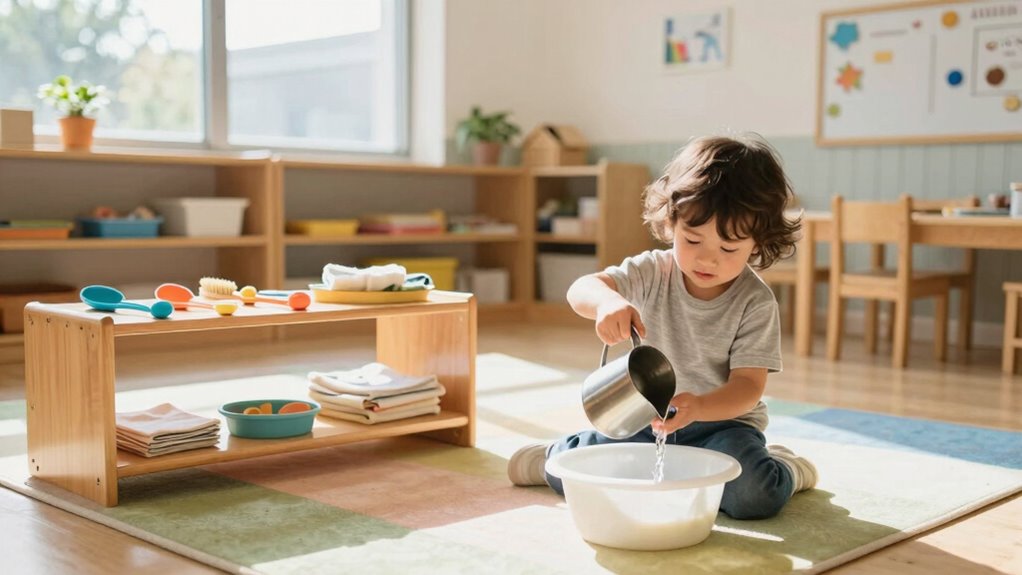
You can incorporate Montessori-inspired practical life activities for preschoolers by encouraging simple daily routines like pouring water, wiping tables, or watering plants. These tasks develop fine motor skills, foster independence, and boost confidence as kids master real-life skills. Making activities authentic and structured promotes focus and responsibility while creating a sense of accomplishment. If you continue exploring, you’ll discover more ideas to help your child thrive through hands-on experiences that build essential skills for the future.

Get health and wellness essentials delivered free — and shop member deals
- Fast, free delivery on millions of items
- Access to Prime Big Deal Days deals on October 6–7
- Prime Video, Amazon Music and more included
Key Takeaways
- Incorporate activities like pouring, spooning, and transferring to develop fine motor skills and hand-eye coordination.
- Use real tools and materials for authentic, engaging tasks such as watering plants or wiping surfaces.
- Integrate daily routines like folding laundry or setting the table to foster independence and routine skills.
- Encourage responsibility through chores that promote environmental awareness, like recycling or caring for plants.
- Scaffold activities to build confidence, patience, and a sense of accomplishment in practical, real-life tasks.
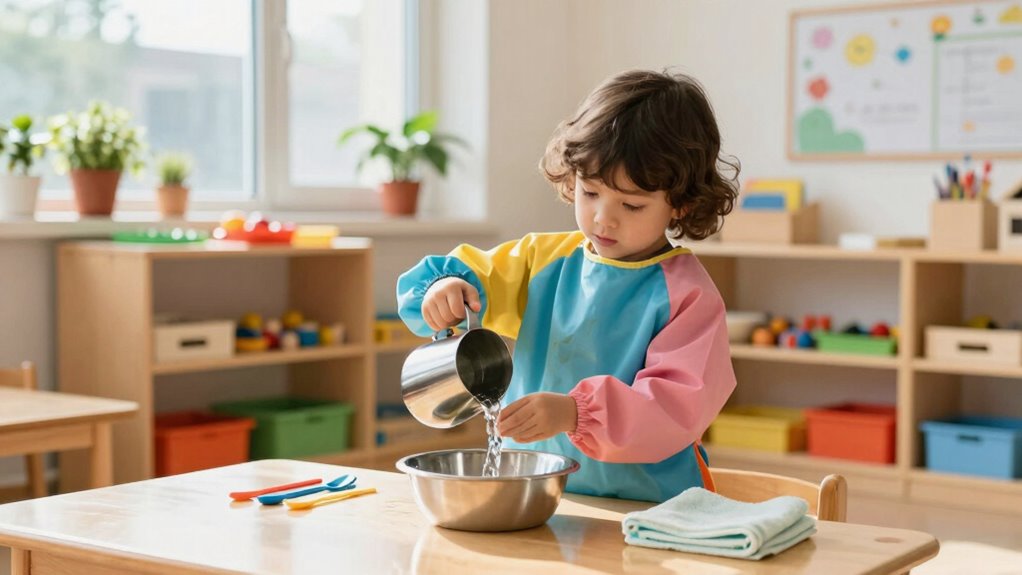
Introducing practical life activities to preschoolers is a wonderful way to help them develop essential skills while fostering independence and confidence. These activities are designed to be simple yet meaningful, giving your child opportunities to practice real-life skills in a safe, supportive environment. When you focus on practical life, you’re not just keeping your preschooler busy — you’re helping them build fine motor skills and independence that will serve as a foundation for future learning and self-sufficiency.
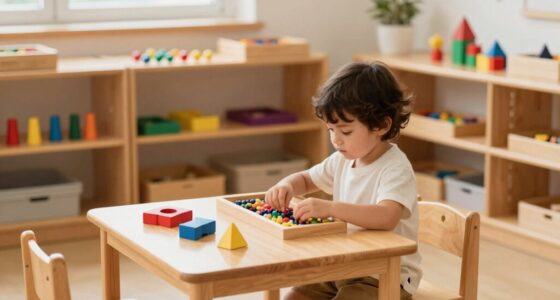
By encouraging your child to participate in everyday tasks like pouring, spooning, or buttoning, you support their fine motor development. These activities require precise hand-eye coordination, finger strength, and control, all of which are vital for tasks like writing, dressing, and even eating independently. For example, setting up a pouring station with water and cups allows your preschooler to practice control and precision, helping them refine their hand movements while also feeling accomplished. As they grasp utensils or manipulate small objects, they naturally strengthen the muscles in their hands and fingers, making other tasks easier over time.
Practicing pouring and manipulating small objects develops hand strength and coordination essential for independence.
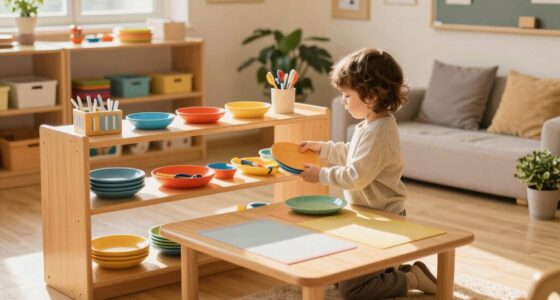
In addition to developing fine motor skills, engaging your preschooler in practical life activities promotes independence building. When they learn to do simple chores — like wiping a table, folding laundry, or watering plants — they gain confidence in their abilities and understand that their efforts matter. These tasks give them a sense of responsibility and ownership over their environment, which nurtures self-esteem. As they master each activity, they become more willing to try new things and take initiative, key components of independence. You’ll notice that as your child becomes more competent in daily routines, they’re more enthusiastic to participate in other areas of learning and play.
Furthermore, incorporating practical life activities into your daily routine helps establish consistency and structure, which are comforting for preschoolers. They learn the sequence of tasks, develop patience, and understand that their actions have tangible results. Plus, these activities often involve real tools and materials, making the experience more authentic and engaging for your child. The sense of accomplishment from completing a task independently encourages them to tackle more complex challenges as they grow. Additionally, understanding the importance of color accuracy in their environment can enhance their attention to detail and appreciation for aesthetics. Moreover, introducing sustainable practices into daily routines can foster early awareness of environmental impact and responsibility.
Additionally, integrating structured activities that mimic real-world tasks can foster sustainability awareness from an early age, helping children develop an understanding of environmental responsibility. Incorporating these activities not only builds skills but also nurtures a sense of environmental responsibility that can influence their attitudes toward caring for the planet as they grow.
Montessori practical life activity set for preschoolers
As an affiliate, we earn on qualifying purchases.
As an affiliate, we earn on qualifying purchases.
Frequently Asked Questions
How Can I Adapt Practical Life Activities for Children With Special Needs?
You can adapt practical life activities for children with special needs by focusing on sensory integration and fine motor skills. Use textured materials, large knobs, or adaptive utensils to make tasks more accessible. Break activities into smaller steps and offer hands-on guidance. Incorporate visual cues, and allow extra time for completion. By customizing activities, you support their development while encouraging independence and confidence in a way that suits their unique needs.
What Safety Considerations Should I Keep in Mind During Activities?
You should prioritize safety protocols and supervision strategies during activities. Always guarantee your environment is hazard-free, with sharp objects out of reach and non-slip surfaces. Keep a close eye on children, offering guidance and assistance when needed. Regularly check equipment for damage, and encourage safe practices like proper handwashing. By staying vigilant and establishing clear safety protocols, you create a secure space where preschoolers can confidently explore and learn.
How Do I Introduce Practical Life Skills to Shy or Reluctant Children?
Did you know that shy children often take twice as long to develop confidence compared to their peers? To introduce practical life skills, start with simple, achievable tasks that promote confidence building, like pouring or dressing. Encourage gentle social interaction by guiding them in sharing and taking turns. Use positive reinforcement and patience, allowing shy children to practice at their own pace, helping them feel secure and more willing to participate.
Are There Specific Materials Recommended for Different Age Groups?
You should choose Montessori materials that are age-appropriate tools for each developmental stage. For younger children, opt for simple, easy-to-handle items like pouring trays or dressing frames. As they grow, introduce more complex and varied materials that challenge their skills, such as button boards or utensil sets. Always select materials that match their abilities, fostering independence and confidence while ensuring safety and engagement.
How Often Should Practical Life Activities Be Incorporated Into Daily Routines?
You should incorporate practical life activities into your daily routine consistently, ideally several times a day, to balance activity frequency effectively. By integrating household chores like setting the table or pouring water, you help your preschooler develop independence and motor skills. Keep activities short and engaging, adjusting frequency based on your child’s interest and attention span. This routine fosters independence while making learning a natural part of everyday life.
child pouring water learning toy
As an affiliate, we earn on qualifying purchases.
As an affiliate, we earn on qualifying purchases.
Conclusion
Now, imagine your preschooler confidently pouring water from one pitcher to another, their hands steady and eyes focused. These Montessori-inspired practical life activities help them develop independence, coordination, and a sense of accomplishment. As they engage in daily tasks, you’ll see their confidence bloom, like a flower opening to the sunlight. Embrace these moments, knowing you’re nurturing a curious, capable little individual ready to explore the world with joy and independence.
preschooler fine motor skills activity kit
As an affiliate, we earn on qualifying purchases.
As an affiliate, we earn on qualifying purchases.
Montessori-inspired toddler chores toy
As an affiliate, we earn on qualifying purchases.
As an affiliate, we earn on qualifying purchases.
Fall Picks
fall essentials
As an affiliate, we earn on qualifying purchases.