
TL;DR

Get health and wellness essentials delivered free — and shop member deals
- Fast, free delivery on millions of items
- Access to Prime Big Deal Days deals on October 6–7
- Prime Video, Amazon Music and more included
Florida health officials have reported more than 250 locally acquired dengue cases this year, most in Hillsborough County near Tampa. Available state records and medical literature suggest the total is the highest in a continental U.S. state in a calendar year since at least the 1940s, though federal officials say outbreak data is limited.
Florida has recorded more than 250 locally acquired dengue cases so far this year, with most in Hillsborough County near Tampa, state health officials reported this week. Available information from state health departments and medical journals suggests it is the largest calendar-year outbreak in a continental U.S. state since at least the 1940s, although federal officials caution that their historical outbreak data is limited.
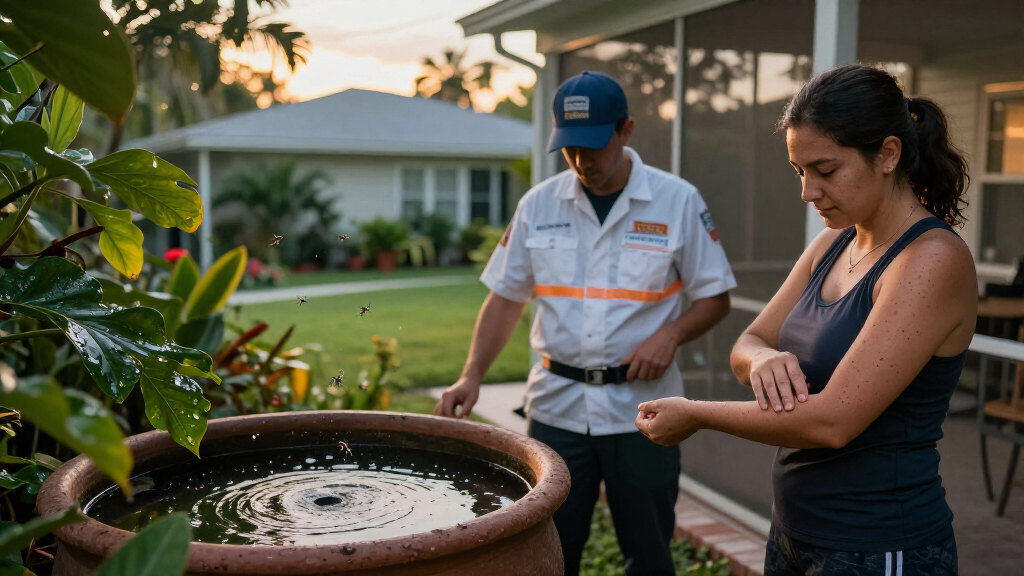
The outbreak first came to light in July and is centered just north of Tampa. Hillsborough and nearby counties have declared local emergencies, while mosquito-control crews are spraying in the Tampa area and checking properties for standing water where mosquitoes can breed. The response includes work during both day and night, according to the report.
Florida’s total of locally acquired cases has surpassed the state’s previous worst year: just under 200 cases in 2023. As of last week, locally acquired cases also exceeded travel-associated cases in Florida, 252 to 245, though the figures were close. At least 13 Hillsborough County cases were diagnosed in travelers, according to the state.
One person has died in Florida this year: an elderly Tampa woman on Sept. 4. Dengue infections can cause no symptoms or lead to fever, flu-like illness and severe aches. In severe cases, the disease can cause bleeding, shock and death. The reported figures describe cases identified so far; they do not establish why transmission has risen in the Tampa area.
Tampa Faces a Historic Dengue Surge
The case count matters because dengue is being transmitted locally, not just brought into Florida by people returning from travel. A larger local outbreak means residents in affected areas may face exposure from mosquitoes carrying the virus, while county crews work to reduce breeding sites and adult mosquito populations. Hillsborough County accounts for most of the reported cases, placing the Tampa area at the center of the response.
The outbreak is also approaching a recent national benchmark. Hawaii recorded 264 locally acquired cases over six months in 2015–2016, described in the report as the largest outbreak in a U.S. state since the 2009–2010 Key West cases. Florida’s current tally is nearing that number. The comparison is between reported outbreak totals, not a forecast of how many additional cases Florida will record.
The report says nearly 1,900 locally acquired U.S. cases have been recorded this year, most in Puerto Rico. Puerto Rico is a U.S. territory and has regularly experienced much higher dengue counts than any of the 50 states; the Florida comparison concerns the continental United States. The World Health Organization separately reported more than 2.2 million infections and nearly 1,200 deaths worldwide this year.
mosquito repellent for outdoor use
As an affiliate, we earn on qualifying purchases.
As an affiliate, we earn on qualifying purchases.
How Florida Reached This Point
Dengue is caused by a virus transmitted by certain mosquitoes. For decades, most dengue infections identified in the continental United States were associated with international travel, while locally acquired cases were regularly reported in Puerto Rico. In 2009–2010, Key West reported locally acquired dengue cases, the first such cases in the continental U.S. outside the Texas-Mexico border region since 1945, according to the report.
Florida typically reports the most locally transmitted dengue among the 50 states, often around Miami. The current concentration near Tampa is unusual for the state. Dawn Wesson, a Tulane University dengue expert, said the presence of travelers from places where dengue circulates may contribute to Florida’s risk, while travel patterns could be one factor in this year’s Tampa-area surge. She said the reason for the local increase is difficult to determine.
Dengue has four virus types. Infection with one type can produce lasting antibodies to that type, but a later infection with another type can carry a risk of more severe illness. Wesson said most people in the Tampa area are unlikely to have prior immunity to any dengue type. The report also notes that mosquitoes capable of spreading dengue live in Florida and other warm U.S. locations, and experts say their geographic range has expanded as the climate changes.
“There’s a good chance that this is the new normal.”
— Dawn Wesson, a Tulane University expert on dengue and mosquito-borne diseases
As an affiliate, we earn on qualifying purchases.
Why Tampa Cases Rose So Sharply
The cause of the Tampa-area increase has not been established. Wesson said it is hard to determine what is driving the surge, and suggested travel patterns may be one contributing factor. The report does not identify a specific source or chain of transmission for most cases.
The historical comparison also has limits: federal officials say their dengue outbreak data is limited, and the conclusion that Florida’s total is the highest in a state in decades is based on available state records and medical journals. It remains unclear how many additional cases may be identified, whether the outbreak will spread beyond its current center, and how the seasonal pattern will affect transmission.
The CDC has not sent disease investigators to Florida because state officials have not asked the agency to do so, McDonald said. The agency has provided financial assistance. The available report does not say whether Florida may seek federal investigators later.
As an affiliate, we earn on qualifying purchases.
Mosquito Control and Case Tracking
County and state officials are continuing mosquito-control work, including spraying and inspections for pooled water. The reported totals may change as additional infections are diagnosed and counted. Further case updates and any change in the geographic spread will help show whether the current response is containing transmission.
Experts cited in the report advise people in affected areas to use an Environmental Protection Agency-registered insect repellent, wear loose-fitting clothing that covers skin, and reduce standing water around homes. Mosquitoes that carry dengue can bite during the day, with activity often higher just after sunrise and around sunset. These steps are public-health precautions, not a substitute for seeking medical care if someone is ill.
As an affiliate, we earn on qualifying purchases.
Key Questions
How many locally acquired dengue cases has Florida reported?
State health officials reported more than 250 locally acquired cases so far this year. A state count cited in the report put the total at 252 as of last week.
Where are most of the Florida cases?
The vast majority are in Hillsborough County, which includes Tampa. The outbreak is centered just north of the city.
Is this the largest dengue outbreak in the United States?
Available records suggest it is the largest calendar-year outbreak in a continental U.S. state in decades. The comparison does not include Puerto Rico, where dengue totals are often much higher, and federal officials say historical data is limited.
What is not known about the outbreak?
Officials and experts have not established why cases surged near Tampa. Travel patterns may be a factor, but the report does not identify a specific cause or explain how many more cases may occur.
What precautions are recommended in affected areas?
The report cites using EPA-registered insect repellent, wearing clothing that covers the skin, and removing standing water where mosquitoes can breed. Screens and air conditioning can also reduce exposure indoors.
Source: rss
Halloween Picks
halloween
As an affiliate, we earn on qualifying purchases.