
Your water quality directly impacts your health, as contaminants like bacteria, heavy metals, and chemicals can cause illnesses and long-term health problems. To protect yourself, it’s vital to ensure your water is properly treated, regularly tested, and maintained. Modern treatment systems and proper testing help prevent exposure to harmful substances. By understanding how water quality affects your well-being, you can make smarter choices and learn more about keeping your water safe for everyone.

Get health and wellness essentials delivered free — and shop member deals
- Fast, free delivery on millions of items
- Access to Prime Big Deal Days deals on October 6–7
- Prime Video, Amazon Music and more included
Key Takeaways
- Poor water quality can cause gastrointestinal illnesses, neurological damage, and long-term health problems.
- Contaminants from natural sources and human activities threaten drinking water safety.
- Regular water testing and maintenance ensure effective treatment and early detection of pollutants.
- Proper water treatment processes remove harmful substances, protecting public health.
- Access to clean, safe water is essential for overall community well-being and disease prevention.
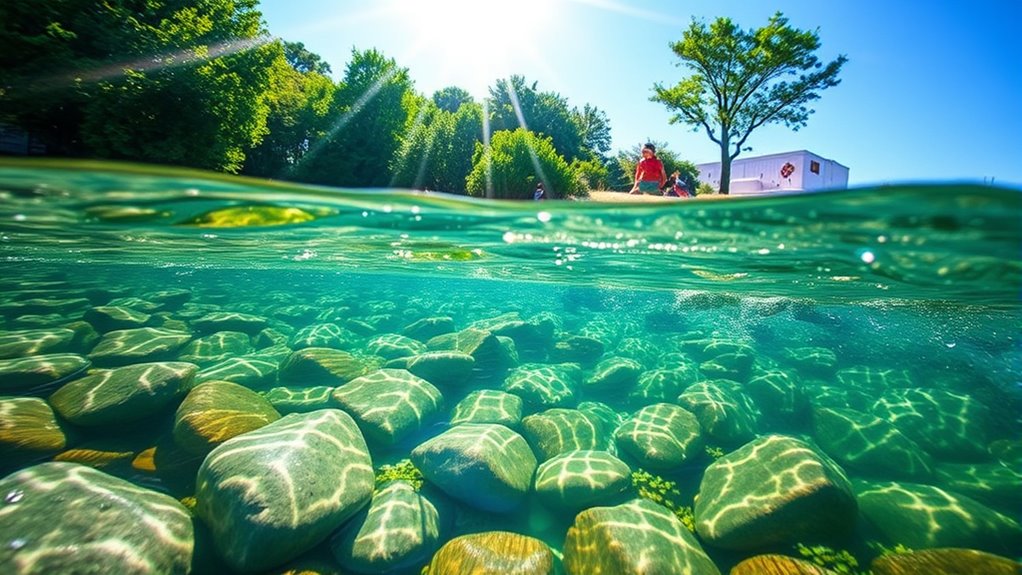
Have you ever considered how the quality of your drinking water directly impacts your health? Every sip you take can introduce contaminants that, over time, affect your well-being. Understanding where these contaminants come from and how water treatment processes work can help you make informed choices to protect yourself and your family.
Your drinking water quality directly influences your health—stay informed to protect yourself and your family.
Contaminant sources are varied and often stem from both natural and human activities. Industrial waste, agricultural runoff, old pipes, and even runoff from urban areas can introduce harmful substances into your water supply. Common contaminants include bacteria, viruses, heavy metals like lead and mercury, pesticides, and chemicals such as chlorine or nitrates. These pollutants don’t just pose aesthetic issues like bad taste or odor—they can cause serious health problems, from gastrointestinal illnesses to neurological damage. Identifying the sources of these contaminants is essential because it helps determine the appropriate response and treatment needed to make your water safe.
That’s where water treatment comes into play. Water treatment involves a series of processes designed to remove or neutralize contaminants, ensuring that water meets safety standards. Municipal water systems often employ multiple stages of treatment, including filtration, disinfection, and sometimes chemical adjustments. Filtration systems can eliminate sediments, bacteria, and certain chemicals, while disinfection, typically with chlorine or ultraviolet light, kills viruses and bacteria that might cause disease. For private wells or household systems, using point-of-use filters or whole-house filtration units can significantly enhance water quality. These systems are designed to target specific contaminants identified in your water source, providing a critical barrier against potential health risks. Regular testing and water quality monitoring are essential to ensure your treatment methods remain effective over time.
However, no water treatment method is flawless. Regular testing of your water is essential because contaminant levels can fluctuate over time, especially if there are changes in nearby land use or aging infrastructure. Knowing what’s in your water allows you to select the most effective treatment options. Additionally, maintaining your water treatment systems ensures they operate efficiently and continue to safeguard your health. Simple steps like changing filters regularly and checking for system wear and tear make a big difference.
In short, understanding contaminant sources and investing in proper water treatment are key steps to safeguarding your health. You’re not helpless against water pollution; by staying informed and proactive, you can ensure that your drinking water remains safe and clean. Your health depends on the quality of the water you consume daily, so take the necessary measures to keep it pure.
whole house water filtration system
As an affiliate, we earn on qualifying purchases.
As an affiliate, we earn on qualifying purchases.
Frequently Asked Questions
How Does Water Temperature Affect Contaminant Levels?
You’ll find that water temperature directly impacts contaminant mobility. When water temperature rises, contaminants tend to move more easily through the water, increasing their spread. Conversely, cooler temperatures slow down this process, reducing contaminant mobility. So, by monitoring and managing water temperature, you can better control how contaminants disperse, helping to maintain safer water conditions and prevent potential health risks associated with contaminated water sources.
What Are the Long-Term Health Effects of Low-Level Pollutants?
Chronic exposure to low-level pollutants, especially persistent contaminants, can gradually harm your health over time. You might not notice immediate effects, but long-term, these pollutants can increase your risk of cancers, hormone disruption, or neurological issues. Regular exposure builds up in your body, potentially causing lasting health problems. It is crucial to monitor and reduce exposure to these contaminants to protect your health now, and in the future.
How Can Individuals Test Their Well Water Quality?
You can’t afford to put your head in the sand when it comes to well water testing. Start by purchasing a home testing kit, which detects common contaminants like bacteria, nitrates, and heavy metals. Follow the instructions carefully for accurate results. For more detailed analysis, consider hiring a professional for contaminants detection. Regular testing ensures your water’s safe and helps you catch issues before they become serious.
What Role Does Climate Change Play in Water Contamination?
Climate change plays a significant role in water contamination by disrupting water sources and increasing the frequency of extreme weather events. You must focus on climate adaptation strategies to protect water resilience, such as improving infrastructure and monitoring systems. These efforts help mitigate contamination risks caused by heavy rainfall, floods, and rising temperatures, ensuring safer water supplies. Staying proactive in climate adaptation is essential to maintain water quality amid changing environmental conditions.
Are There Affordable Home Water Purification Options?
Are affordable home water purification options worth exploring? Absolutely. You can try DIY filtration methods, like using activated carbon or gravel, to improve water quality cost-effectively. Water softening systems, such as salt-based or salt-free alternatives, also help reduce mineral buildup and improve taste. These solutions are budget-friendly and easy to implement, giving you cleaner, safer water without breaking the bank. Isn’t it worth taking control of your tap water?
As an affiliate, we earn on qualifying purchases.
Conclusion
Remember, maintaining water quality gently guides us toward healthier lives. By staying mindful of our water sources, we nurture a subtle harmony between nature and well-being. When we prioritize clean water, we help prevent unseen troubles that could softly disrupt our daily routines. Your small actions ripple outward, preserving this precious resource and safeguarding public health. Together, let’s cherish and protect our water—ensuring a brighter, more vibrant future for everyone.
water testing kit for contaminants
As an affiliate, we earn on qualifying purchases.
As an affiliate, we earn on qualifying purchases.
As an affiliate, we earn on qualifying purchases.
Fall Picks
fall essentials
As an affiliate, we earn on qualifying purchases.