

On rainy indoor days, you can create a cozy, nature-inspired atmosphere by using natural materials like stones, shells, and wood for play and storytelling. Set up sensory bins with dried beans, rice, or shredded paper, and add tactile treasures like feathers or pinecones. Engage children in simple chores like watering plants or planting seeds, and incorporate gentle movement or nature sounds for calming activities. For more ideas to transform dull days into enriching experiences, keep exploring these inspiring approaches.

Get health and wellness essentials delivered free — and shop member deals
- Fast, free delivery on millions of items
- Access to Prime Big Deal Days deals on October 6–7
- Prime Video, Amazon Music and more included
Key Takeaways
- Use natural materials like stones, shells, and wood for sensory and imaginative play indoors.
- Create cozy spaces with natural light and earthy tones to foster calmness and comfort.
- Incorporate movement activities like animal-inspired dances or indoor nature walks.
- Engage children in caring for indoor plants or making herbal sachets for mindfulness.
- Use sensory bins with natural textures, smells, and tastes to develop fine motor skills and curiosity.
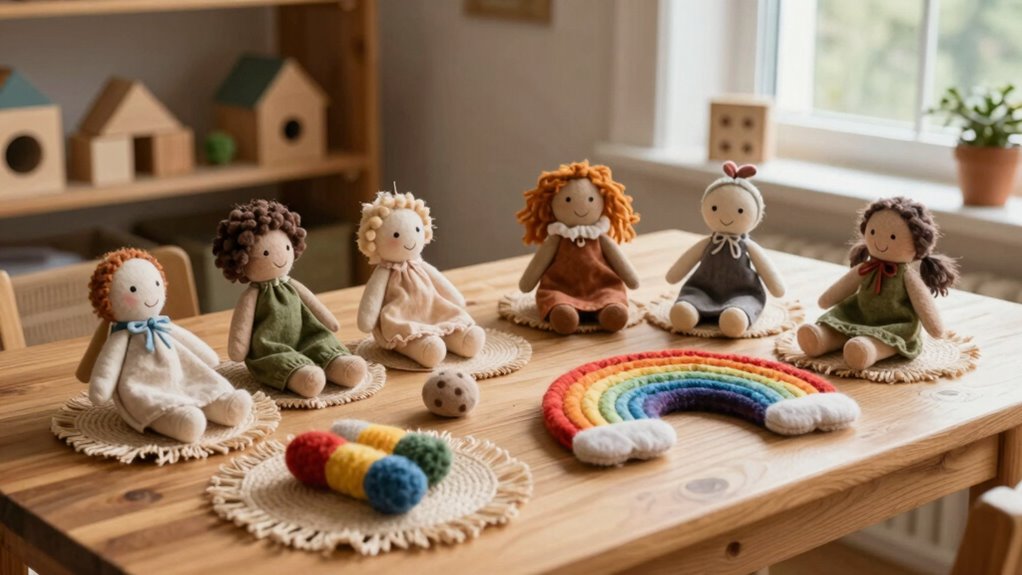
Rainy days can put a damper on outdoor plans, but they also present a perfect opportunity to get creative indoors. When the weather keeps you inside, you can transform your space into a haven for engaging, meaningful play that aligns with Waldorf principles. Focus on nature inspired activities that connect your child to the natural world, even when outside isn’t an option. You might gather simple natural materials like stones, shells, leaves, or pieces of wood, and use these to inspire imaginative storytelling or sorting games. These natural objects stimulate curiosity and help children develop a deeper appreciation for the environment, fostering a sense of wonder that’s central to Waldorf education.
Indoor rain can inspire creative play with natural materials, nurturing curiosity and a deep connection to the environment.
In addition to nature inspired activities, sensory play options are invaluable for rainy days. Sensory play engages your child’s senses and grounds them emotionally and physically. You could set up a sensory bin filled with rice, dried beans, or shredded paper, adding in small natural treasures like pinecones or feathers for a tactile experience. Baking bread or making herbal sachets not only involves sensory exploration but also introduces your child to natural textures, smells, and even tastes. These activities nurture their senses and help develop fine motor skills, concentration, and calmness. Incorporating natural materials into play supports the Waldorf emphasis on natural textures and encourages children to explore the world through their senses.
To create a cozy, Waldorf-inspired indoor environment, use natural light and warm, earthy tones. Encourage your child to participate in simple domestic chores like watering plants, weaving, or creating homemade candles or beeswax wraps. These activities reinforce the connection to nature while fostering independence and craftsmanship. When engaging in storytelling or puppet shows, incorporate natural materials like wool or silk for costumes and scenery, enhancing the tactile experience and emphasizing the beauty of natural fibers.
For more movement and rhythm, consider indoor nature walks—walking carefully around your home, mimicking the steps of animals, or creating a gentle dance to nature-inspired music. You can also set up a small indoor garden station where your child can plant seeds or tend to houseplants, cultivating patience and a sense of responsibility. Incorporating natural materials into play and daily routines is a key aspect of Waldorf-inspired activities, helping children connect more deeply with the natural world. These activities emphasize a mindful approach to play, encouraging observation and reflection, core elements of Waldorf philosophy.
Rainy days don’t have to be dull. With a little imagination and intentional planning, you can turn indoor time into a rich, sensory experience that nurtures your child’s connection to nature. These simple, natural activities foster creativity, calmness, and a sense of wonder—making even the gloomiest days bright with learning and discovery.
natural sensory bins for children
As an affiliate, we earn on qualifying purchases.
As an affiliate, we earn on qualifying purchases.
Frequently Asked Questions
How Can I Create a Waldorf-Inspired Indoor Play Environment?
You can create a Waldorf-inspired indoor play environment by incorporating natural materials like wood, wool, and cotton to foster a warm, inviting space. Include areas for music relaxation, such as soft instruments and calming sounds, to nurture peaceful moments. Encourage creative storytelling with puppets and open-ended toys that inspire imagination. Arrange the space simply, emphasizing beauty and nature, so your child feels inspired to explore, relax, and express themselves freely.
What Materials Are Best for Waldorf-Inspired Rainy Day Activities?
You should focus on crafting natural materials, like wooden blocks, wool felts, and beeswax crayons, to inspire creativity and connection. Using soft textiles such as cozy blankets, linen curtains, and plush cushions creates a warm, inviting space for rainy day play. These materials encourage gentle, imaginative activities, helping your child explore their senses and nurture their inner world, even when the weather keeps you indoors.
How Do I Incorporate Nature Into Indoor Waldorf Play?
Think of your indoor space as a garden waiting to bloom with nature connection. You can incorporate nature into Waldorf play by using natural materials like stones, shells, and leaves in rain day crafts. Create a sensory corner with moss, wood, or water beads, or set up a nature-inspired storytelling nook. These touches help children feel connected to the outdoors, even when they’re inside, fostering curiosity and a sense of wonder.
Are There Specific Safety Considerations for Waldorf Indoor Play?
Yes, there are safety considerations for indoor Waldorf play. You should prioritize indoor safety by ensuring the play area is free of hazards like sharp objects or loose cords. Always check material safety; choose natural, non-toxic materials for toys and play items. Supervise children closely during play, especially with small or delicate objects. Regularly inspect play materials for damage to prevent accidents, and create a secure, cozy environment that encourages safe exploration.
How Can I Involve Multiple Children in Waldorf-Style Activities?
You can easily involve multiple children in Waldorf-style activities by encouraging group storytelling, where each child adds a part to the story, fostering creativity and collaboration. Incorporate creative craftwork by setting up shared projects like natural-dyed fabrics or clay sculptures, allowing kids to work together and learn from each other. This approach nurtures a sense of community, imagination, and hands-on learning, making indoor days enriching and fun for everyone.
Waldorf-inspired indoor play materials
As an affiliate, we earn on qualifying purchases.
As an affiliate, we earn on qualifying purchases.
Conclusion
Rainy days don’t have to dampen your fun. With just a bit of creativity, you can turn indoor hours into magical playtime. Did you know that children who engage in imaginative play develop better problem-solving skills? So, grab some art supplies, set up a cozy reading nook, or build a fort—your indoor adventures can be just as exciting as outdoor ones. Embrace the rain and make every indoor moment count!
natural material storytelling props
As an affiliate, we earn on qualifying purchases.
As an affiliate, we earn on qualifying purchases.
As an affiliate, we earn on qualifying purchases.
Fall Picks
fall essentials
As an affiliate, we earn on qualifying purchases.